The Kitchen-Table Audience: Why Background Video Became America’s Default Companion
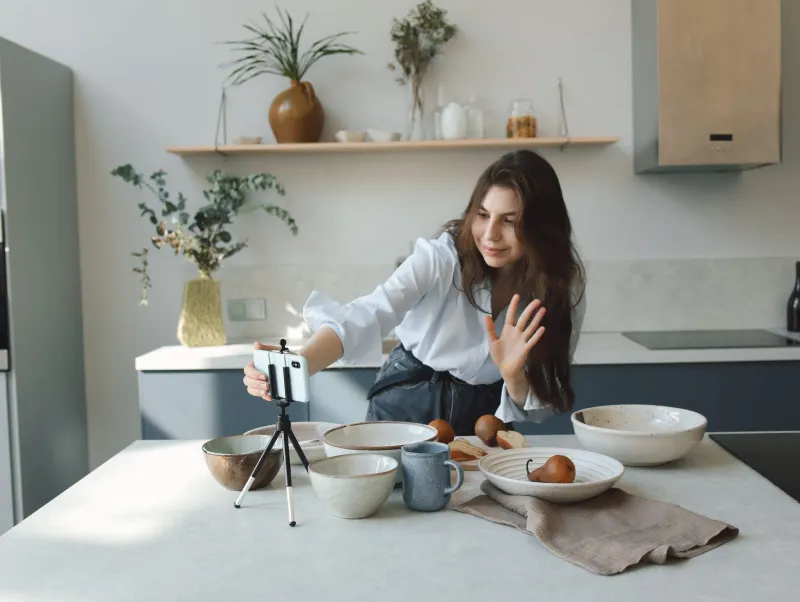
There’s a specific sound that fills a lot of American apartments around 6:30 on a weeknight. It’s not a podcast, exactly. It’s not music. It’s a video—maybe a 12-minute cooking clip, maybe a quiet vlog from someone organizing a closet, maybe a looping montage of rain on a window—running on a phone propped against a spice jar while someone chops onions.
That’s the kitchen-table audience. It’s huge, it’s ordinary, and for a long time it was treated like a lesser version of watching. If you weren’t giving a video your full attention, the story went, you weren’t really watching. In 2026, that story feels out of date.
The Soundtrack of a Tuesday Night
Half-watching is not a new behavior. People have folded laundry to sitcom reruns and cooked dinner to cable news for decades. What’s changed is how normal it feels to do it with a phone, a tablet, or a laptop propped up on the counter. The video isn’t the event. It’s the room tone.
You can see it in the small rituals. The phone that moves from the kitchen counter to the bathroom shelf during a skincare routine. The laptop left open on the couch during a Sunday reset. The tablet that plays the same five creators in a loop while someone answers emails. None of this looks like focused viewing. All of it is watching.
And it’s not just a solo habit. Roommates half-watch together while one of them scrolls. Couples leave a video running during dinner and pick it back up during dishes. The screen becomes a low-stakes third presence in the room—something to glance at, something to fill the quiet, something to return to.
Designed for Half an Eye
Creators are starting to notice. A video built for partial attention looks different from a video built for a full-screen binge. The pacing is often slower. The audio carries more of the story. The visuals are pleasant but not punishing if you miss a beat.
Audio-first pacing is a big part of it. If a creator can explain what’s happening without relying on a visual punchline, the video survives a trip to the fridge. Calm narration, clear segments, and a voice that doesn’t spike every eight seconds all make a clip easier to live with. It’s less about commanding attention and more about being good company.
Loopable visuals matter too. A satisfying cooking shot, a tidy desk reset, a window with rain on it—these are images you can drift away from and come back to without feeling lost. They don’t demand a reaction. They just hold the space.
Then there’s low-stakes storytelling. No cliffhanger. No urgent plot. No moment where you have to rewind because you missed the one detail that explains everything. The video can be a room you leave and come back to. That’s not a downgrade in craft. It’s a different kind of craft.
Why It Feels Intimate, Not Distracted
There’s a weird intimacy to half-watching that full attention doesn’t always provide. A voice in the kitchen can feel like someone else is in the house. A familiar creator doing a mundane task can feel like a friend keeping you company while you do yours. It’s not the same as a deep conversation, but it’s not nothing.
That’s why the guilt around background viewing is starting to fade. People aren’t necessarily using video to avoid the moment. Sometimes they’re using it to soften the moment. Cooking alone is easier with a voice in the room. Folding laundry is less tedious with a 15-minute upload running. A quiet apartment feels less quiet with a loop of ocean sounds and someone talking about their week.
This is the part platforms and sharers keep missing. A video can be intimate without being the center of attention. It can be part of a routine without being a distraction from it. The kitchen-table audience isn’t half-committed. They’re just committed to something else at the same time.
What Platforms and Sharers Keep Missing
Most metrics still reward the full-screen stare. Completion rate, likes, comments, shares—they all assume the viewer is sitting still with both eyes on the video. Ambient viewers break that model. They might watch 30 minutes of a creator’s channel while doing three other things, then never hit like. That doesn’t mean they weren’t watching. It means the viewing was woven into life.
For creators, the takeaway is simple: not every video needs to fight for your whole face. Some videos should be built to keep you company. For platforms, the challenge is harder. If background sessions look like low engagement, the feed may quietly deprioritize exactly the kind of content people leave running while they live.
Sharers have a role too. Sending a 45-minute video to a friend who is cooking dinner is not the same as sending a 10-second clip to someone waiting in line. The best shares match the moment. Half-watching is a context, not a flaw.
The Companion Test
A good ambient video passes a simple test: can you leave for two minutes and come back without feeling punished? If yes, it might be built for the kitchen-table audience. If no, it might still be great—just not for that slot in the day.
The future of the American living room may not be a giant screen with everyone facing forward. It may be a small screen doing a small job while life happens around it. That’s not attention collapsing. That’s companionship finding a new shape.