Watching Together, Feeling Alone: The Hidden Design Behind Your Endless Scroll
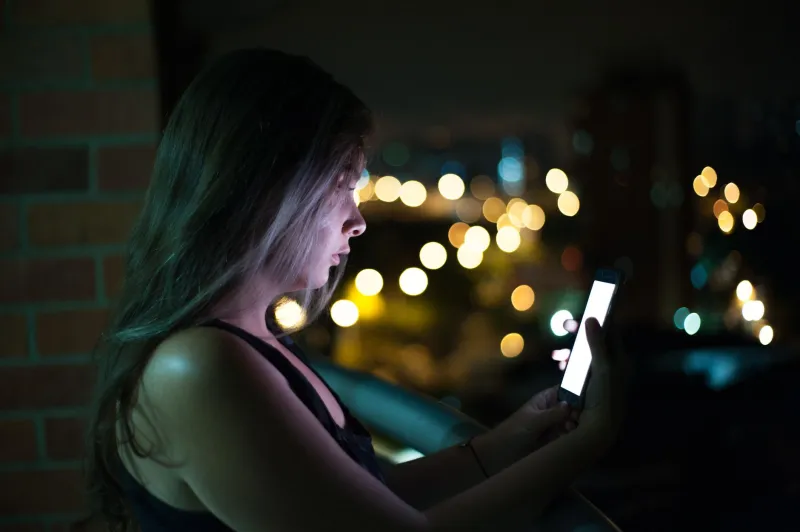
Every major video platform has a version of the same pitch. Words like community, connection, and together show up in mission statements, app store descriptions, and Super Bowl ads. The imagery is always the same too — groups of friends huddled around a screen, laughing, reacting, sharing a moment. The message is clear: this isn't just a place to watch stuff. It's a place to belong.
So why does closing the app so often feel lonelier than opening it did?
That's not a rhetorical question. There's a growing body of research, design criticism, and plain old user experience feedback pointing at something most platforms would rather not discuss: the features built to simulate connection are often the same ones quietly deepening isolation. And the lonelier you feel, the longer you stay.
The Loneliness Loop Nobody's Advertising
Here's how it tends to work. You open a video app because you're bored, a little restless, maybe looking for something to take the edge off a rough Tuesday. The algorithm, which has been studying your behavior with a level of precision your closest friends probably couldn't match, serves you something that hits exactly right. A creator who feels familiar. A video that matches your exact mood. A comment section that looks like your kind of people.
For a few minutes, it genuinely feels like connection. And then the video ends.
The autoplay kicks in. Another video. Another hit of that almost-connection feeling. The cycle continues, and here's the part that matters: the platform isn't designed to give you actual connection. It's designed to give you just enough of the feeling to keep you coming back for more.
Design researchers have a term for this kind of pattern — parasocial optimization. It's not a conspiracy. It's just math. Genuine human connection is messy, slow, and doesn't scale. Simulated connection — the kind you get from watching someone you feel like you know talk directly into a camera — is infinitely scalable and keeps session time up. From a pure metrics standpoint, real community is actually kind of inefficient.
Dark Patterns Dressed Up as Features
Some of the specific design choices worth paying attention to:
Autoplay is the obvious one. It was designed to reduce friction between videos, but what it actually reduces is the moment of choice — that brief pause where you might put the phone down, text a friend, or just sit with your thoughts. Remove enough of those pauses and hours disappear.
Notification design is subtler. Platforms send alerts calibrated not to tell you something genuinely important, but to recreate the feeling of being missed. A creator you follow posted. Someone liked your comment. Your feed is "updated." Each ping is a tiny simulation of social relevance, engineered to pull you back in when real-life social interaction might have filled that gap instead.
The comment section is maybe the most complicated one. On the surface, comments look like community — and sometimes they genuinely are. But comment sections are also frequently designed to surface conflict and strong emotion because those generate more replies, more time on page, more data. Real conversation requires patience and context. Comment sections reward speed and volume. It's a subtle but important difference.
What 'Vibe Together' Actually Has to Mean
Here at Ondube, the phrase Vibe Together isn't just a tagline we slapped on a logo. It's meant to describe something real — the feeling of watching something with people who get it, even if you're not in the same room. That's actually possible. But it requires being honest about what gets in the way.
Genuine shared experience in the streaming age looks less like passive parallel scrolling and more like the stuff that happens around the video. The group chat blowing up after a creator drops something wild. The inside jokes that develop in a tight-knit comment community. The moment someone shares a clip specifically because they knew you would love it. Those are real connection points. They just don't show up cleanly in watch-time metrics.
The platforms that will actually deliver on the community promise are the ones willing to optimize for those moments — even when doing so means shorter individual sessions. That's a hard business case to make. But it's the honest one.
The Viewer's Side of This
None of this means you're a passive victim of algorithm design. Understanding how these systems work is genuinely useful. When you notice that you've been scrolling for 45 minutes and feel vaguely worse than when you started, that's data. When a video makes you want to immediately share it with someone specific, lean into that impulse — it's the algorithm-resistant version of connection.
The viewers who tend to feel best about their time on video platforms are the ones who use them actively rather than passively. They drop into comment sections with actual opinions. They share clips with real context — not just a link, but a "this reminded me of that thing you said last week." They follow creators they genuinely interact with, not just passively observe.
That's a different relationship with the feed than most platform design encourages. But it's the one that actually delivers on what the marketing promised.
The Bigger Question
There's something worth sitting with here. American culture has spent the last decade outsourcing more and more of its social life to apps — and video platforms have positioned themselves at the center of that shift. The pitch has always been that technology could make us more connected. The evidence is increasingly that it can make us feel connected while delivering something meaningfully different.
That gap — between the feeling and the reality — is where loneliness lives. And as long as loneliness keeps session time up, there's a business incentive to maintain it.
The good news is that the tools for genuine connection exist on these platforms. They're just not always the ones the interface is pointing you toward. Sometimes vibing together means closing the autoplay, sending the video to an actual person, and having the conversation the algorithm was trying to replace.
That's a less profitable version of the streaming experience. But it's the one worth building toward.