Same Feed, Different Decade: How Video Trends Are Quietly Closing the Gap Between Millennials and Gen Z
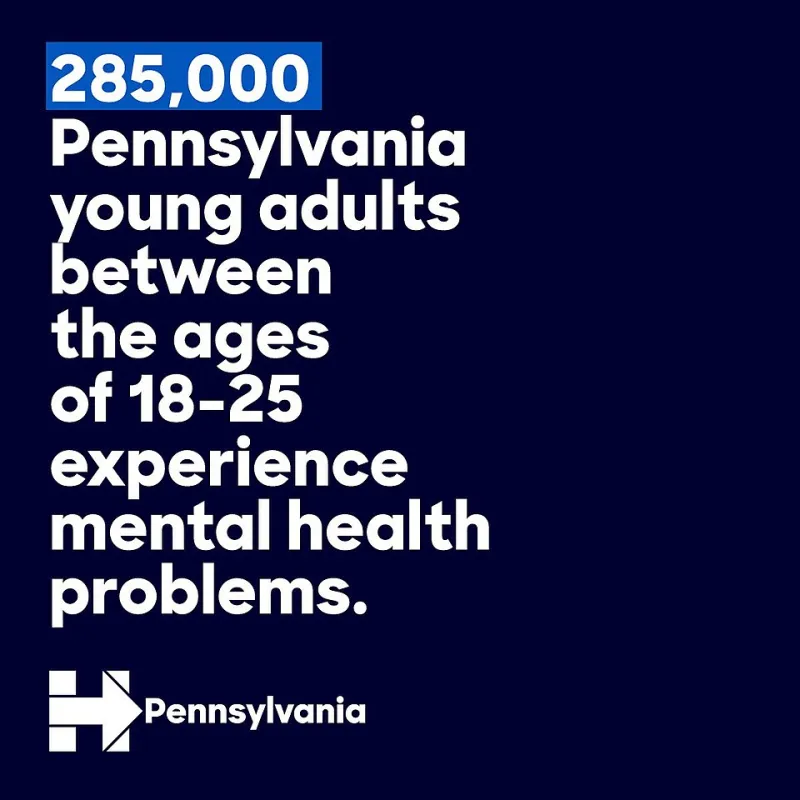
Photo: Hillary for Pennsylvania, Public domain, via Wikimedia Commons
Not long ago, the dominant narrative online was that Millennials and Gen Z were basically allergic to each other. Side parts versus middle parts. Skinny jeans versus wide-leg. Laughing-crying emoji versus the skull. The discourse was loud, occasionally petty, and — if we're being honest — mostly performed for engagement.
But underneath all that noise, something quieter and more interesting was happening in the actual content people were watching and sharing. Certain video trends were pulling both generations into the same emotional space, sometimes without either group fully realizing it. The generational divide didn't disappear. It just got a lot more complicated — and a lot more fun.
Nostalgia as a Two-Way Street
The '90s and early 2000s revival in online video has been building for a while, but what's shifted recently is who's participating and why.
Millennials engaging with this content are doing something fairly straightforward: reliving formative memories. The aesthetic of a VHS-filtered clip, a song from a forgotten Disney Channel movie, a "what we ate in a day" video styled like an early 2000s reality show — these hit a specific emotional register for anyone who grew up between roughly 1981 and 1996. It's comfort. It's recognition.
Gen Z's relationship with the same content is genuinely different, and arguably more interesting. For a generation that grew up in algorithmic abundance, scarcity and imperfection are novel. Low-resolution video, analog grain, the visual language of a time before infinite scroll — these things feel countercultural in a way that polished 4K content simply doesn't. Gen Z isn't just tolerating the nostalgia trip. In many cases, they're leading it.
Creator Simone R., 24, who makes '90s-styled lifestyle videos from her apartment in Chicago, describes her audience as "weirdly split in the best way." She says: "I'll get comments from someone who's like 'I literally had this exact Lisa Frank folder' and then right below it someone who says 'I wasn't born yet but this feels like home.' That overlap is everything to me. It means the vibe transcends the memory."
The Formats That Actually Bridge the Gap
Not every trend crosses the generational line. A lot of content still skews heavily one direction or the other. But a few specific formats have proven unusually effective at pulling both groups in.
The "Day in My Life" video has been around long enough that Millennials helped build it, but Gen Z reinvented it — trading aspirational aesthetics for intentional mundanity. The result is a format that feels familiar to older viewers while being distinctly shaped by younger sensibilities. Watching someone make instant ramen at 11pm and call it "a win" hits differently than watching someone's perfectly curated morning routine, and it hits across age groups.
Reaction and commentary videos are another crossover format. Whether it's reacting to old TV moments, revisiting early YouTube culture, or watching someone discover a classic film for the first time, these videos create a shared viewing experience that doesn't require shared memory. A 19-year-old watching a 32-year-old react to Boy Meets World for the first time, or a 32-year-old watching a 19-year-old's genuine shock at early internet culture — there's a mutual curiosity there that's actually kind of wholesome.
Slow, ambient content — cooking videos with no voiceover, study-with-me streams, late-night city walks — has built a cross-generational audience almost by accident. This category doesn't ask anything of you. There's no generational in-joke to catch, no cultural reference to decode. It's just texture and time, and apparently both groups needed that.
What Creators Who Appeal to Both Groups Know
Talk to creators who've managed to build genuinely multi-generational audiences and a few themes come up consistently.
First: they don't perform generational identity. They're not trying to speak "Millennial" or "Gen Z." They're just talking. The creators who lean hardest into generational markers — the ones whose entire brand is being a certain kind of person from a certain decade — tend to ceiling out faster.
Second: emotion travels further than reference. A video that makes you feel something — nostalgic, seen, amused, comforted — doesn't need a shared cultural touchstone to work. The feeling is the touchstone.
Marco D., 29, runs a channel out of Austin that mixes early-internet humor with genuinely sincere personal storytelling. His audience skews 18–35, which he describes as "unusual and kind of my whole thing." His take: "I grew up on the cusp. I have the Millennial anxiety and the Gen Z irony and I've never known which one to lead with. Turns out, doing both just makes more people feel seen."
What This Shift Means for Online Entertainment
For platforms built around community and shared viewing — the whole watch, share, vibe together ethos — this generational convergence is genuinely significant. It suggests that the future of online entertainment communities isn't about sorting people into cohorts and serving them separately. It's about finding the emotional frequencies that cut across demographic lines.
The content that's doing that most successfully right now isn't trying to be everything to everyone. It's just being honest about something — a feeling, a memory, a way of moving through the world — and trusting that honesty to find its audience wherever that audience happens to be.
Millennials and Gen Z aren't the same. They grew up in different worlds, have different relationships with technology, and will probably keep poking at each other online for sport. But in the feed, in the comments, in the shared experience of watching the same video at 1am and sending it to someone with no caption — something real is happening.
They're vibing together. And honestly? It looks pretty good.