Scroll Past the Video, Stay for the Comments: How Replies Became the Main Event

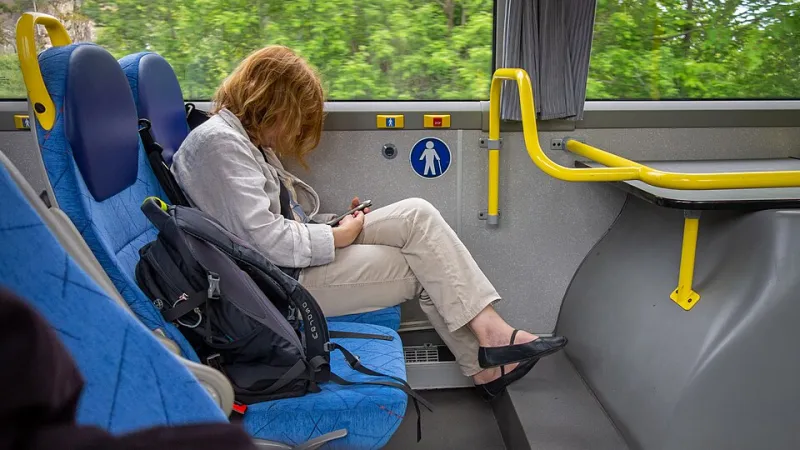
Photo: Miguel Angel Omaña Rojas, CC0, via Wikimedia Commons
Something weird happened somewhere between 2020 and now. People started watching videos not just for the videos — but for what showed up underneath them. You've probably done it yourself: you finish a clip, and instead of immediately swiping to the next one, you tap the comments. Not because you need more information. Because you're genuinely curious what everyone else thought. Or more honestly, because the comments are just... funnier.
The comment section has had a full glow-up. What used to be a digital dumpster fire of spam bots and arguments is now one of the most reliably entertaining spots on any platform. And on Ondube, we see it play out every single day — a video gets posted, and within hours the replies have taken on a life of their own.
From Afterthought to Main Attraction
For a long time, comments were treated like a footnote. Platforms didn't put much thought into surfacing them, and most creators ignored them beyond the occasional heart reaction. But then something shifted. Audiences started rewarding videos that generated great comment sections — not just great content.
Part of this is pure social dynamics. When a comment perfectly nails what everyone was thinking, it hits differently than the video itself. There's a collective exhale, a sense of shared experience. That feeling of "yes, someone said it" is weirdly satisfying in a way that even the most polished video can't always deliver.
Inside jokes started forming in comment threads. Recurring phrases got passed from video to video like a game of telephone. On some corners of the internet, you can trace the genealogy of a joke back through six months of comment sections across dozens of creators. That's not just engagement — that's culture building.
The Algorithm Is Paying Attention
Platforms have clocked what's happening, and they're quietly experimenting with how comments get ranked and surfaced. It's no longer just about the comment with the most likes floating to the top. Some platforms are testing contextual weighting — boosting replies that spark longer threads, or flagging comments that get a surge of reactions in a short window.
The logic is simple: if a comment is generating its own conversation, it's doing work. It's keeping people on the page longer, pulling in replies, creating a feedback loop that benefits both the creator and the platform. From a pure watch-time and session-length perspective, a lively comment section is almost as valuable as a good video.
For creators, this changes the calculus a little. It's not enough to just make something people enjoy — you want to make something people feel compelled to react to. That might mean leaving a question unanswered at the end of a clip, or saying something slightly controversial enough to invite debate without torching your reputation. It's a tightrope, but the creators who walk it well are seeing outsized community growth.
Creators Who Treat Comments Like a Collab
The smartest creators right now aren't just reading their comments — they're engineering them. Not in a manipulative way, but in a "I know my audience and I know what will set them off" kind of way. They'll drop a specific detail in a video that only regular viewers will catch, basically leaving a breadcrumb for the comment section to dig up.
Some creators go even further and actively participate in their own comment sections — not just pinning a top comment, but jumping into threads, riffing with fans, even starting new inside jokes. This turns the comment section into a second layer of content. New viewers stumble onto an old video, read through the replies, and suddenly they're not just watching — they're studying the lore.
That kind of community depth is incredibly hard to replicate on a platform that treats comments as background noise. The creators building it are developing the kind of loyalty that doesn't just spike on upload day — it compounds over time.
The Debate Thread as Spectator Sport
Let's talk about the debates, because they deserve their own moment. At their best, comment section arguments are genuinely compelling to watch unfold. Someone makes a bold claim, someone else claps back with receipts, a third person comes in with an unhinged hot take, and suddenly you've got three hundred people choosing sides.
This isn't new — the internet has always loved an argument. But the difference now is that these debates are happening inside content ecosystems, not just on standalone posts. The video provides the context, the comment section provides the arena. And the audience isn't just watching the video anymore — they're watching the reaction to the video in real time.
For casual viewers, this is genuinely fun. It's participatory entertainment without requiring you to actually post anything. You can just read along, pick a side mentally, and feel like you're part of something.
What This Means for How We Watch
The rise of the comment section as entertainment signals something bigger about what audiences actually want right now. It's not just content — it's context. People want to know how others feel, what they noticed, what they thought was funny or wrong or brilliant. The video is the conversation starter. The comment section is the conversation.
For platforms like Ondube, that's an exciting thing to lean into. The vibe-together part of our whole deal isn't just about watching the same stuff — it's about reacting to it together, in real time and in the threads that live on long after a video stops trending.
So next time you catch yourself reading through a comment section at 11pm wondering how you got there — don't feel weird about it. You're not procrastinating. You're participating.