When Watching Isn't Enough: How the Push to React Is Quietly Stressing Creators Out

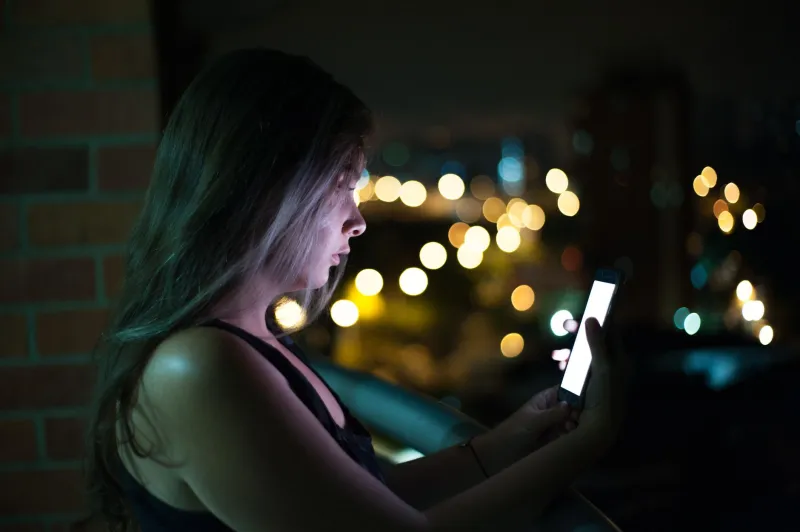
Photo by Photo by Viralyft on Unsplash on Unsplash
There used to be a time when watching a video was just that — watching. You hit play, you laughed, you moved on. Maybe you left a fire emoji in the comments if you were feeling generous. Simple. Clean. No obligations.
That era is fading fast.
Today, platforms are practically nudging you toward a response before the video even ends. Duet this. Stitch that. Add your take. Join the conversation. And while those features were designed to make the internet feel more like a two-way street, something has quietly gone sideways. For a lot of creators — and even casual viewers — the invitation to participate has started to feel less like an opportunity and more like homework.
The Feature That Changed the Game (and the Pressure)
Duets and stitches were genuinely exciting when they first took off. The idea was elegant: take someone else's content, layer your reaction on top, and let two voices share the same frame. It opened up conversations that comments alone couldn't hold. It gave smaller creators a way to ride the wave of something trending without starting from scratch.
But somewhere along the way, the culture around these tools shifted. What was once a creative choice became a social expectation. If a video blows up and you're in the same niche, you're almost expected to respond. Not doing so can feel like you're opting out of the conversation entirely — or worse, that you don't have anything worth saying.
That's a weird spot to be in. Especially when you just wanted to watch.
The Obligation Economy
Here's the thing nobody talks about openly: platforms benefit enormously when users respond to each other's content. Every duet, every stitch, every video reply generates more content, more engagement, more time on the app. The algorithmic reward for participating is real. Your response video gets pushed. Your numbers go up. The platform wins.
What that system doesn't account for is the mental cost on the person doing the responding.
Creating a duet isn't passive. You have to watch the original carefully, figure out your angle, film your reaction, edit the thing, write a caption that doesn't come across as either sycophantic or combative, and then post it hoping the original creator doesn't take it the wrong way. That's a full production cycle triggered by someone else's content — and you're doing it for free, usually, with no guarantee of return.
Some creators have started calling this out directly. They'll post about the exhaustion of feeling like they have to respond to every trending sound or viral clip in their space. Not because they want to add something meaningful, but because the algorithm punishes silence. That's not creative freedom. That's a content treadmill with better lighting.
The Anxiety Nobody Warned You About
For newer creators especially, the duet trap hits differently. You're still figuring out your voice, still building an audience, and suddenly there's this whole parallel expectation that you should also be fluent in response culture. You should be stitching the right videos, dueting the right people, joining the right conversations at exactly the right moment.
Miss the window and the moment's gone. Jump in too early and you look desperate. Say the wrong thing in your response and you're in the comments explaining yourself for three days.
It's a minefield dressed up as a feature.
And it's not just affecting people with small followings. Mid-size creators — the kind with a few hundred thousand followers who've built genuine communities — are increasingly vocal about the pressure to stay reactive. One creator in the DIY home improvement space described it bluntly in a recent video: "I used to make stuff because I had something to show. Now half my brain is just scanning for what I'm supposed to be reacting to."
That shift — from making to reacting — is subtle but significant. It changes what creation even means.
The Case for Choosing Silence
Here's an underrated move that more creators are starting to make: just not responding.
Not every trend needs your take. Not every viral moment requires your stitched two cents. Sometimes the most intentional thing you can do is let something pass without adding noise to it.
This runs counter to every piece of platform growth advice you'll find online, which is almost universally "engage more, post more, respond more." But the creators who tend to build the most durable audiences aren't the ones who responded to everything — they're the ones who were selective enough that when they did respond, it actually meant something.
Silence, used deliberately, is its own kind of statement. It says: I'm not just here to generate content. I'm here because I actually have something to contribute.
That's a harder position to hold when the algorithm is actively punishing you for it. But it's worth thinking about.
What Platforms Could Actually Do
If there's a systemic fix here, it probably lives at the platform level. The current setup essentially gamifies participation without acknowledging the labor involved. A few things that could genuinely help:
Reduce the friction of not responding. Right now, the UI on most platforms makes engagement the path of least resistance. A more neutral design — one that doesn't constantly surface "respond to this" prompts — would give creators breathing room.
Stop algorithmically punishing silence. If a creator's metrics tank because they didn't duet a trend, that's a design problem, not a personal failure. Platforms could build more stability into how creator reach is calculated so it doesn't hinge so heavily on reactive behavior.
Acknowledge the labor. Some platforms have started experimenting with creator funds and monetization tools, but almost none of them compensate for response content specifically. If stitches and duets are generating platform revenue, there's an argument that the people creating them deserve a slice.
The Vibe Shift
At its best, Ondube and platforms like it are built on a simple promise: watch what you love, share what moves you, and find your people in the process. That's a good promise. It's worth protecting.
But that vibe gets complicated when watching starts to feel like the least you can do — when every piece of content comes with an unspoken expectation that you'll do something with it, add to it, respond to it, amplify it.
Most people who open an app just want to feel something for a few minutes. They want to laugh, or learn, or get weirdly invested in a stranger's sourdough journey. They don't want to feel like they owe the algorithm a performance in return.
The creators who understand that — who make stuff for the watchers, not just the participants — are the ones building something real. And sometimes the most honest thing you can say about a video is nothing at all.